
Tax Due Dates
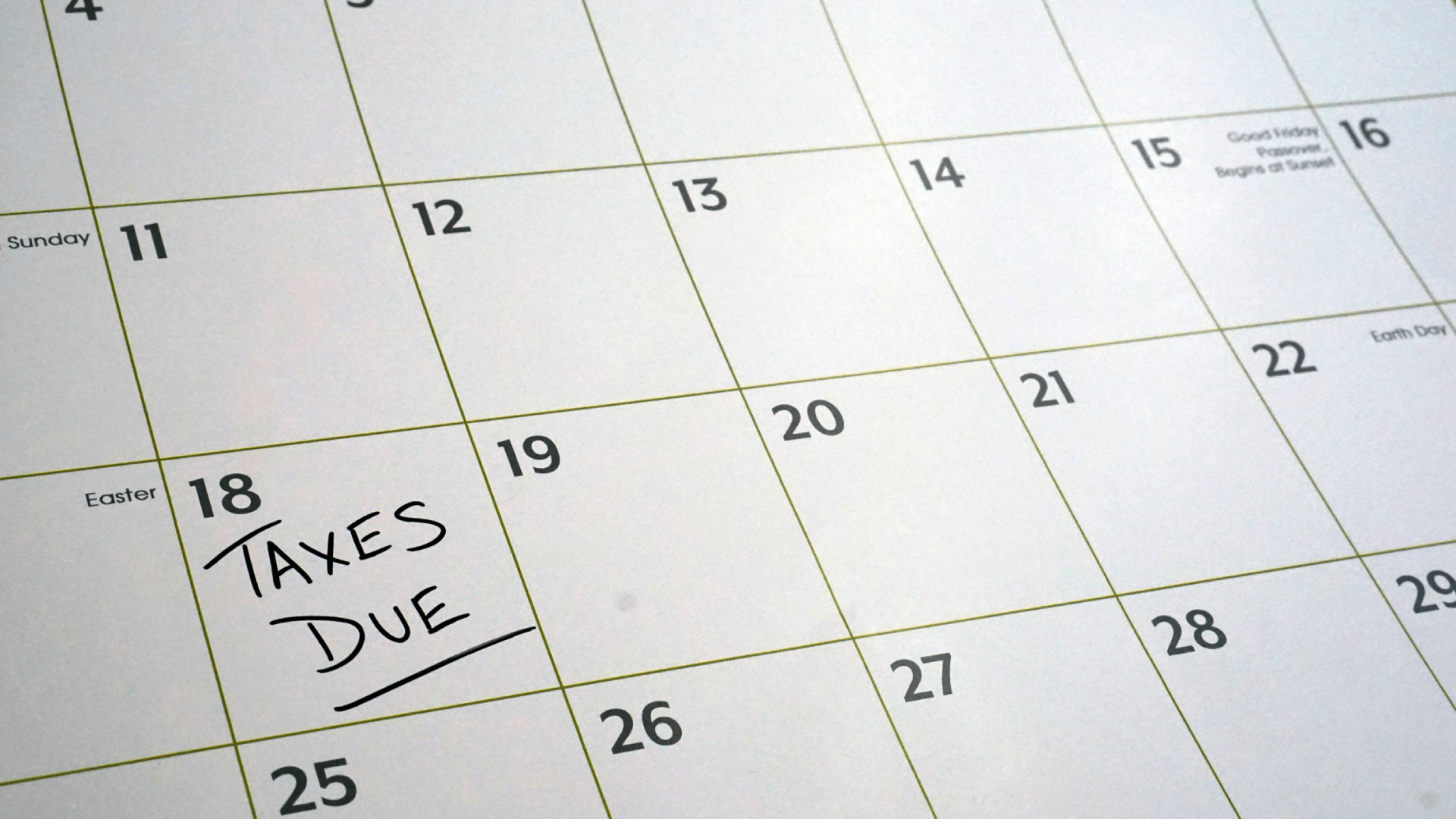
Know Your Deadlines. Avoid Costly Surprises.
Federal tax deadlines vary based on your filing status, income sources, and business structure. Missing a deadline—even by a single day—can trigger penalties and interest charges that add up quickly.
Boulder CPAs helps you stay compliant and avoid unnecessary penalties. Below is a clear overview of the most important federal tax due dates for 2026.
- Individual Tax Deadlines
Key Dates for 2026
Deadline | Requirement |
April 15, 2026 | File Form 1040 or 1040-SR and pay any tax owed |
October 15, 2026 | Final filing deadline if you requested an extension |
Quarterly Estimated Tax Payments
If you’re required to make estimated tax payments, mark these dates:
- April 15, 2026
- June 15, 2026
- September 15, 2026
- January 15, 2027
Estimated taxes typically apply if you’re self-employed, receive income without withholding (such as investment or rental income), or expect to owe a balance when you file.
- Business Tax Deadlines
Partnerships & S Corporations
Deadline | Requirement |
March 16, 2026 | File Form 1065 (Partnership) or Form 1120-S (S Corporation) |
September 15, 2026 | Extended filing deadline |
C Corporations
Deadline | Requirement |
April 15, 2026 | File Form 1120 |
October 15, 2026 | Extended filing deadline |
Business owners often face multiple filing obligations throughout the year beyond these annual returns, including state filings and informational reporting requirements. Boulder CPAs will ensure your business never misses a deadline.
- Self-Employed & Independent Contractor Deadlines
If you earn 1099 income or operate as a sole proprietor, your tax obligations extend beyond an annual return. Self-employed taxpayers generally face quarterly estimated payments throughout the year, self-employment tax in addition to income tax, and potential penalties for missed quarterly payments—even if you pay the full balance at filing.
Self-employed taxpayers follow the same quarterly estimated tax schedule as Individual Tax Deadlines.
- Employer & Payroll Tax Deadlines
Employers have recurring filing and deposit requirements, including:
- Form 941 – Quarterly payroll tax returns
- Forms W-2 and W-3 – Annual wage reporting (due January 31)
- Form 940 – Annual federal unemployment tax (FUTA)
- Payroll tax deposits – Monthly or semi-weekly, based on your deposit schedule
These deadlines repeat throughout the year and depend on your payroll volume and deposit frequency. Boulder CPAs can manage your payroll tax compliance so you can focus on running your business.
- Circumstances That Can Affect Your Due Date
Several factors may shift your filing deadline:
- Weekends and federal holidays – If a deadline falls on a weekend or holiday, it shifts to the next business day
- Taxpayers abroad – U.S. citizens living or working outside the country may qualify for an automatic extension
- Filing extensions – An extension provides additional time to file, but does not extend your payment deadline
Waiting on a Tax Refund?
Refund delays happen for several reasons: filing errors or incomplete information, identity verification requirements, IRS processing backlogs, and credits subject to additional review (such as the Earned Income Tax Credit).
You can check your refund status using the IRS Where’s My Refund? tool. If your refund is delayed or you’ve received conflicting information, Boulder CPAs can help resolve the issue more efficiently.
Not Sure Which Deadlines Apply to You?
Tax deadlines aren’t one-size-fits-all. Many taxpayers face penalties simply because they weren’t aware a specific requirement applied to their situation.
If you’re uncertain which dates you need to meet, have questions about a delayed refund, or received an IRS notice, our team is ready to help you gain clarity and stay compliant. Put our expertise to work for you.